A new reading of Bluebeard puts the husband's fear, not the wife's, at the center
In her essay "Barbe-Bleue, contre-enquête," literature scholar Jennifer Tamas reexamines Perrault's tale as a portrait of male insecurity rather than simply a warning to curious wives.
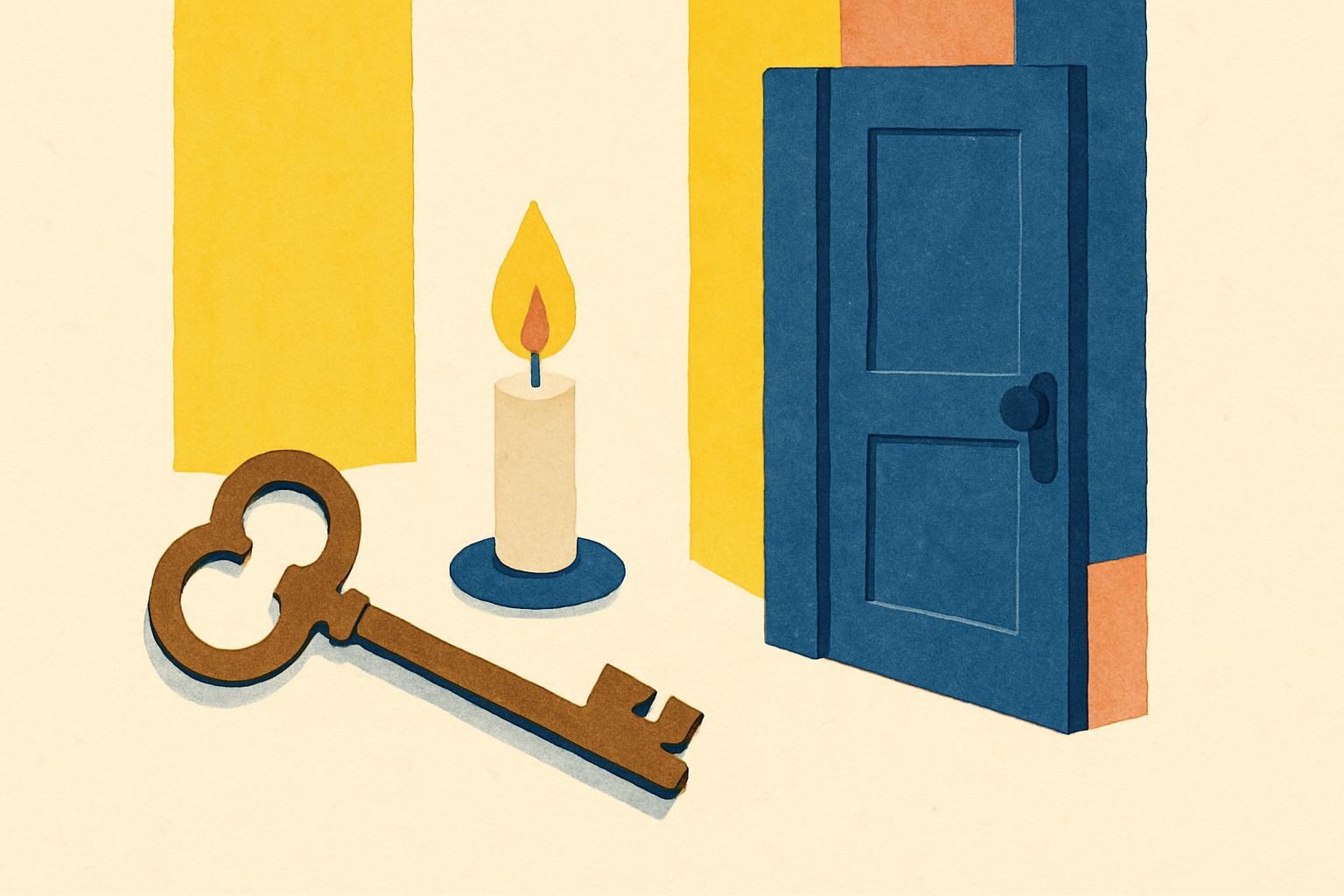
Jennifer Tamas, a specialist in classical literature, has published an essay that revisits one of the best-known tales by Charles Perrault, according to Le Monde. "Barbe-Bleue, contre-enquête" restores complexity to the story of the murderous husband and his forbidden room, turning the sinister figure of Bluebeard into an embodiment of masculine insecurity rather than a simple cautionary figure aimed at disobedient wives.
The book was also discussed on France Culture's literary podcast Le Book Club, which framed the essay around what the Bluebeard story tells us about male domination, the mechanics of femicide, and the institution of marriage itself. The program presented Tamas's approach as both literary and historical, tracing the tale through the lens of the "monstrous husband" figure.
Both accounts agree on the essay's central move: shifting attention away from the wife's transgression — opening the forbidden door — and toward the husband's own fears and violence as the true engine of the story.
Sources
This article was written from these reports.