Letters from the real Nadja recast the story behind Breton's surrealist classic
A newly published collection of letters and drawings by Léona Delcourt, the woman who inspired André Breton's 1928 novel Nadja, sheds new light on a relationship long framed around Breton's own account, according to Le Monde.
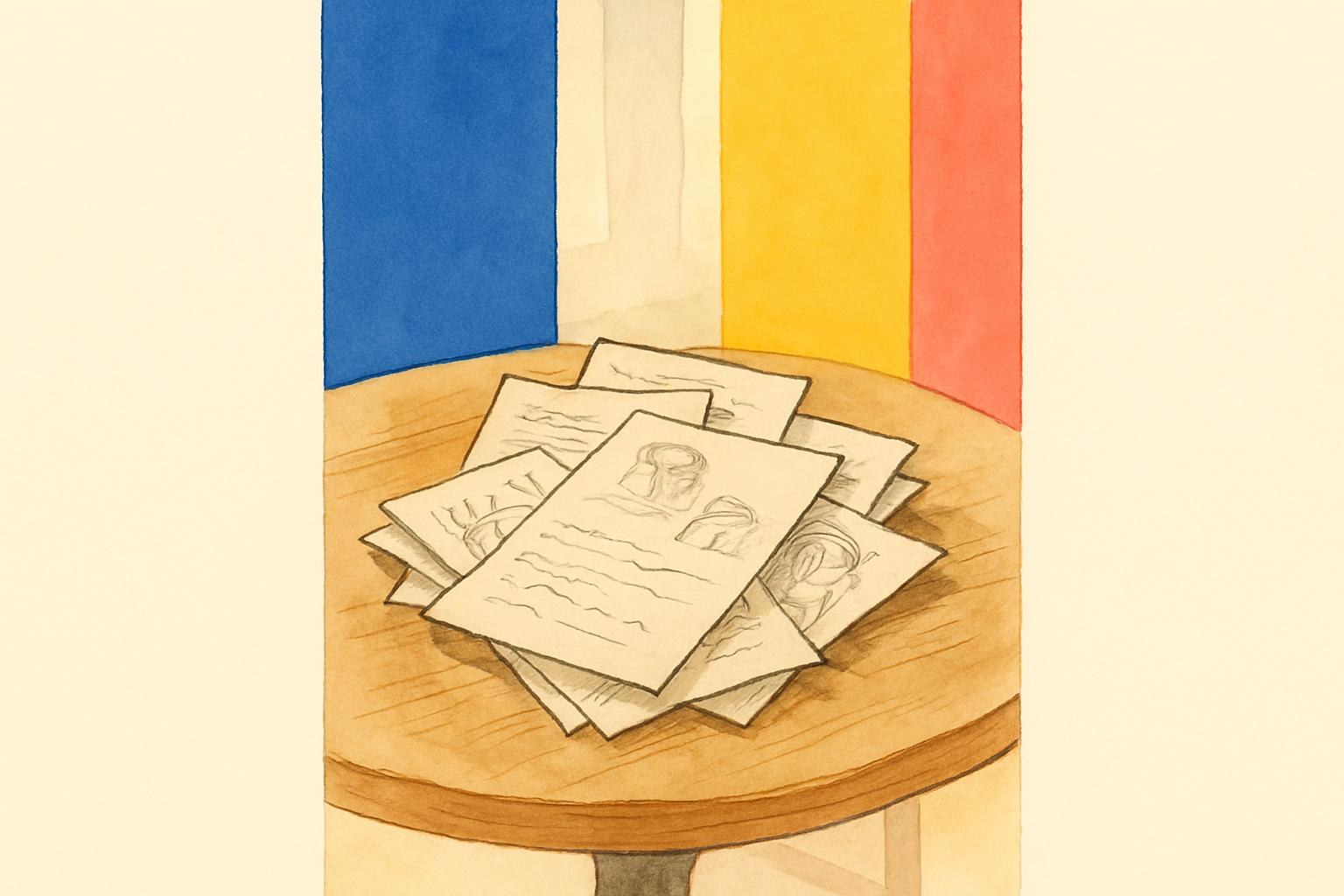
André Breton's Nadja, one of the touchstone texts of French surrealism, was published in 1928 and drew on his brief, ambivalent relationship with a young woman named Léona Delcourt, whom he cast in the book as the enigmatic muse "Nadja." According to Le Monde, a new publication of Delcourt's own letters to Breton, alongside a selection of her drawings, offers a different vantage point on that relationship and on the life that followed it, which the paper describes as tragic.
For decades the story of Nadja has been told largely through Breton's novel, in which Delcourt appears as a source of poetic inspiration for the surrealist movement rather than as a person with her own voice. Le Monde reports that the letters and drawings now being made available shift that balance, letting Delcourt's own words and images stand alongside the mythology Breton built around her.
The paper frames the material as evidence of an unequal and difficult relationship, part of what it calls the mistreatment of the woman who became surrealism's most famous muse. Beyond the broad outline given by Le Monde, no further detail on the contents of the letters, their editor, or the publisher of this collection is available.
Sources
This article was written from these reports.